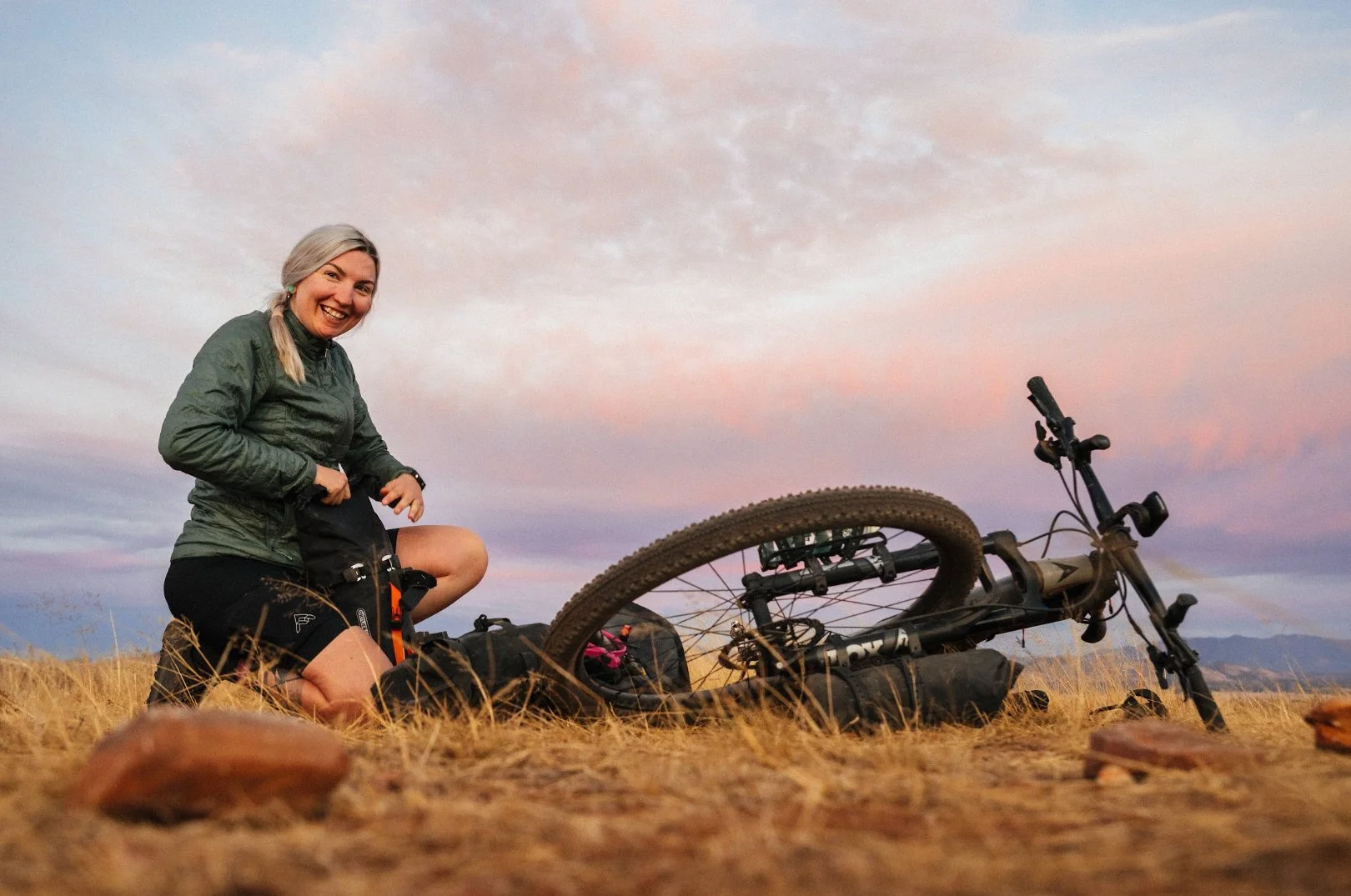
A few people have asked me on Instagram what a rally actually is, which is fair enough. I use the word constantly, I run two of them, and if you don't already ride bikes with bags strapped to them it probably sounds like something involving cars shredding off-road and a crowd getting sprayed with gravel.
It isn't that. Nobody's timing you, nobody's spraying anything, and there's no podium waiting at the end. So here's what a bikepacking rally is, what it isn't, and why going to them changed how I ride.
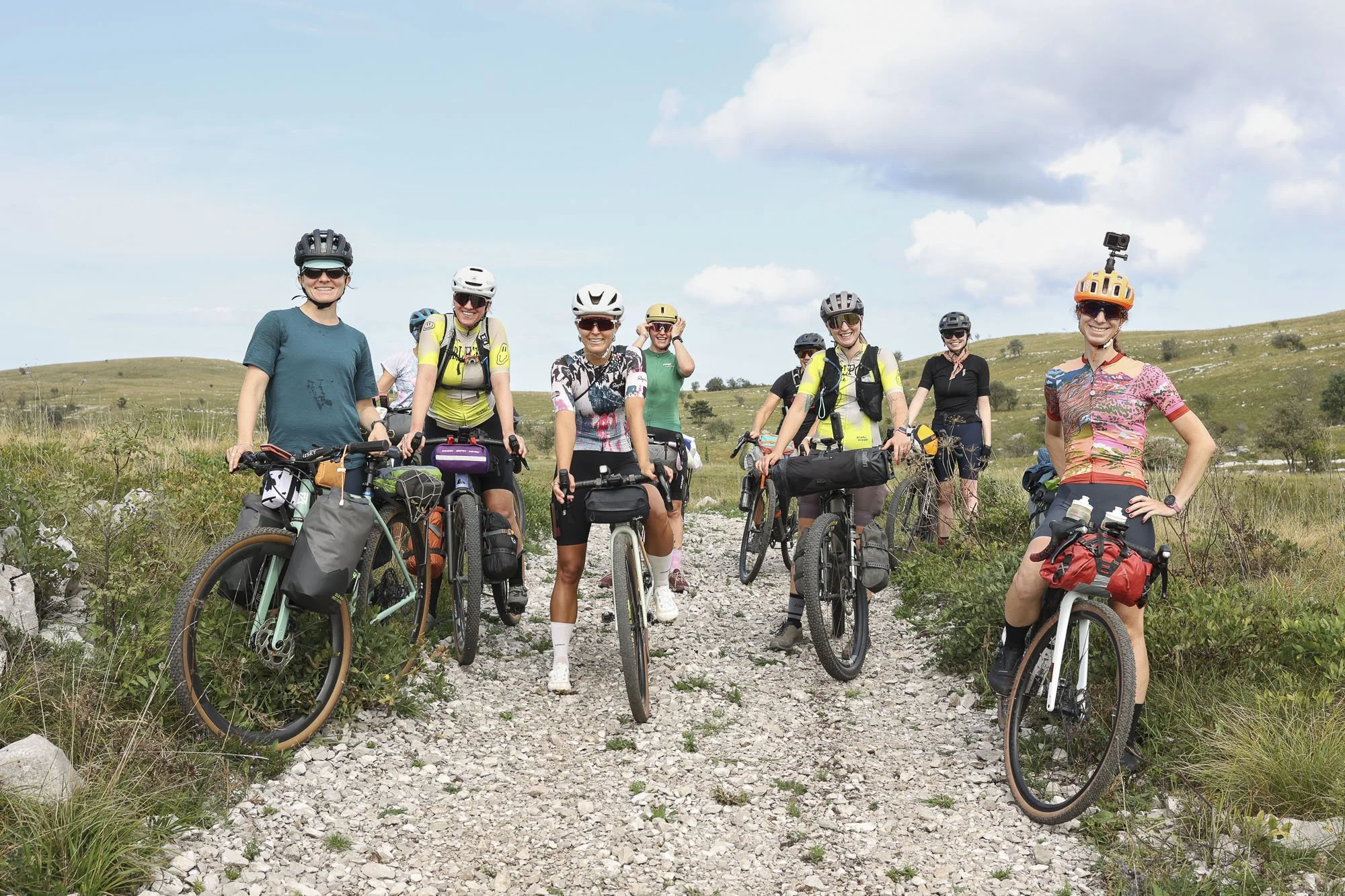
Croatia Rally. Photo by Exploro.cc
So what is a rally?
A bikepacking rally is a shared route and a shared start. Someone plans a multi-day route, everyone sets off together, and then you ride it carrying what you need to look after yourself: something to sleep in, food, spares, and the snack you'll wish you'd bought two of. There's normally a window to finish in (the Bristol Rally runs over three days), but within that window, how you get round is up to you.
What makes it different from riding a route on your own is everyone else. You'll leapfrog the same faces all day, end up squeezed round the same table at the only café that's open, and swap notes on whose tyre plug actually held. Some people ride the whole thing with a group they only met at the start. You can choose to ride alone and only see people at a shop, a campsite or a water tap. Both are completely normal. It's your adventure, you're just not having it on your own.
What a rally isn't
It isn't a race. There's no leaderboard, no prize for being first back and no glory in skipping sleep. Bikepacking racing is very much a thing (tracker dots, people napping in bus shelters, twenty-hour days) and plenty of people love it, me included. A rally borrows the route and the self-sufficiency from that world and leaves the stopwatch at home.
It also isn't a chance to show everyone how tough you are. If you push up the hill, you still got up the hill: forwards is forwards. If you lose an hour to a long breakfast because the café does proper hash browns, that's a good decision, not a weak one. The people who seem to get the most out of a rally are the ones who stop for the view, help someone sort a puncture and roll in happy, not the ones keeping an eye on their average speed.
Ride it the way you want to ride it
Where you sleep, how far you go each day and how long you stop for are all your call. On any rally you'll find people at campsites making the most of a hot shower, people bivvying somewhere quiet, and people who've booked a B&B every night because they know they sleep terribly in a tent and would rather enjoy the riding. All of them are doing the rally properly.
The same goes for distance. Some riders like big days and an early finish. Others ride a shorter day and spend the afternoon in a pub garden with their shoes off. If you've never camped on your own, a rally is a gentle way to try it, because you're rarely far from someone who'll lend you a lighter.
One honest note on wild camping, because it's easy to picture a rally as three nights under the stars wherever you fancy. In Scotland you have a legal right to wild camp responsibly. In England and Wales you generally need the landowner's permission. So on most UK rallies, check the route notes for where you can stay and be ready to arrive late and leave early.
How rallies built my confidence
My first rally was the komoot Montañas Vacías rally in Spain, with the one and only Lael Wilcox. I was new to bikepacking and properly nervous. The weather was had a few surprises for us, and we all made it work anyway. I came home with friends who are still a big part of my life.
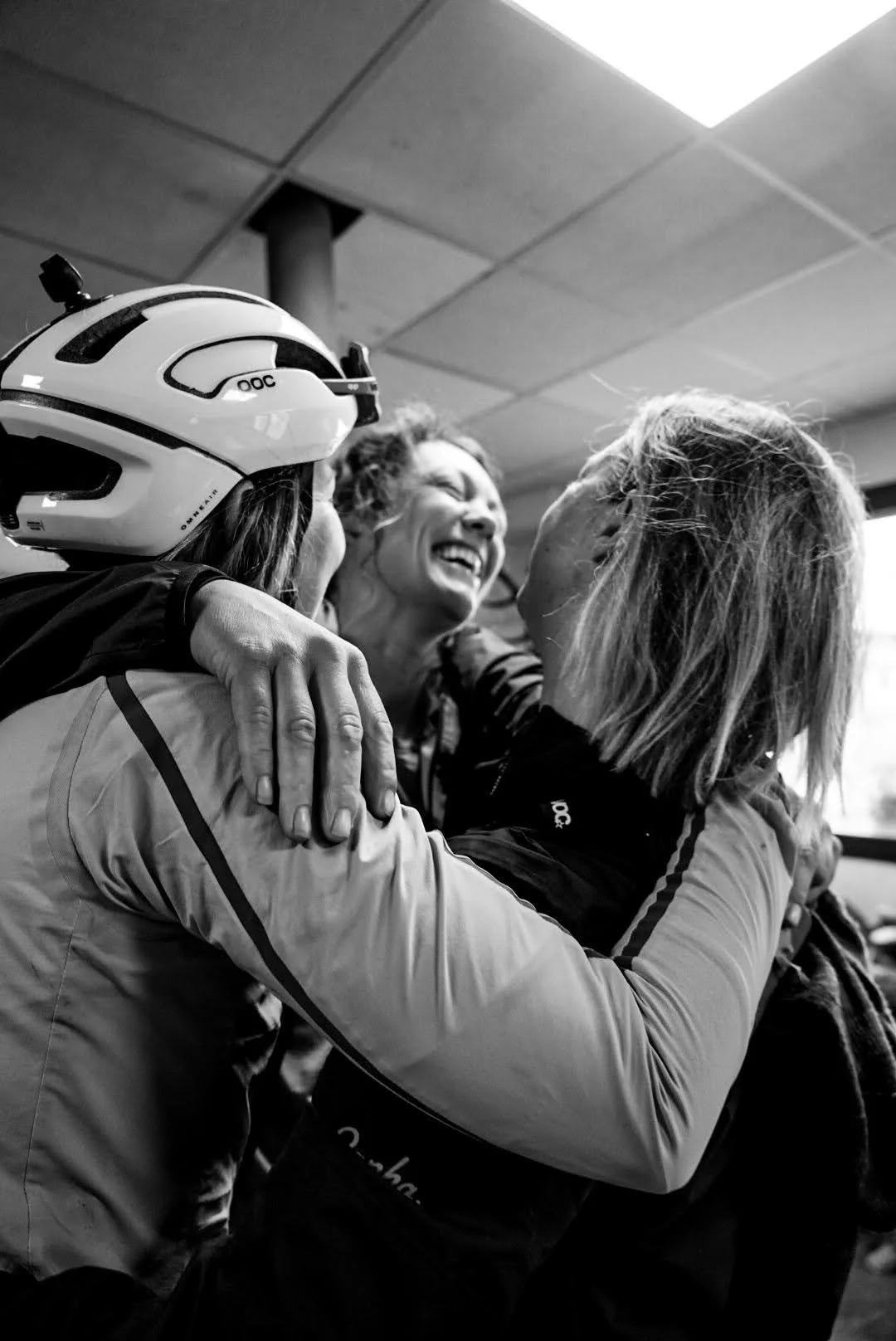
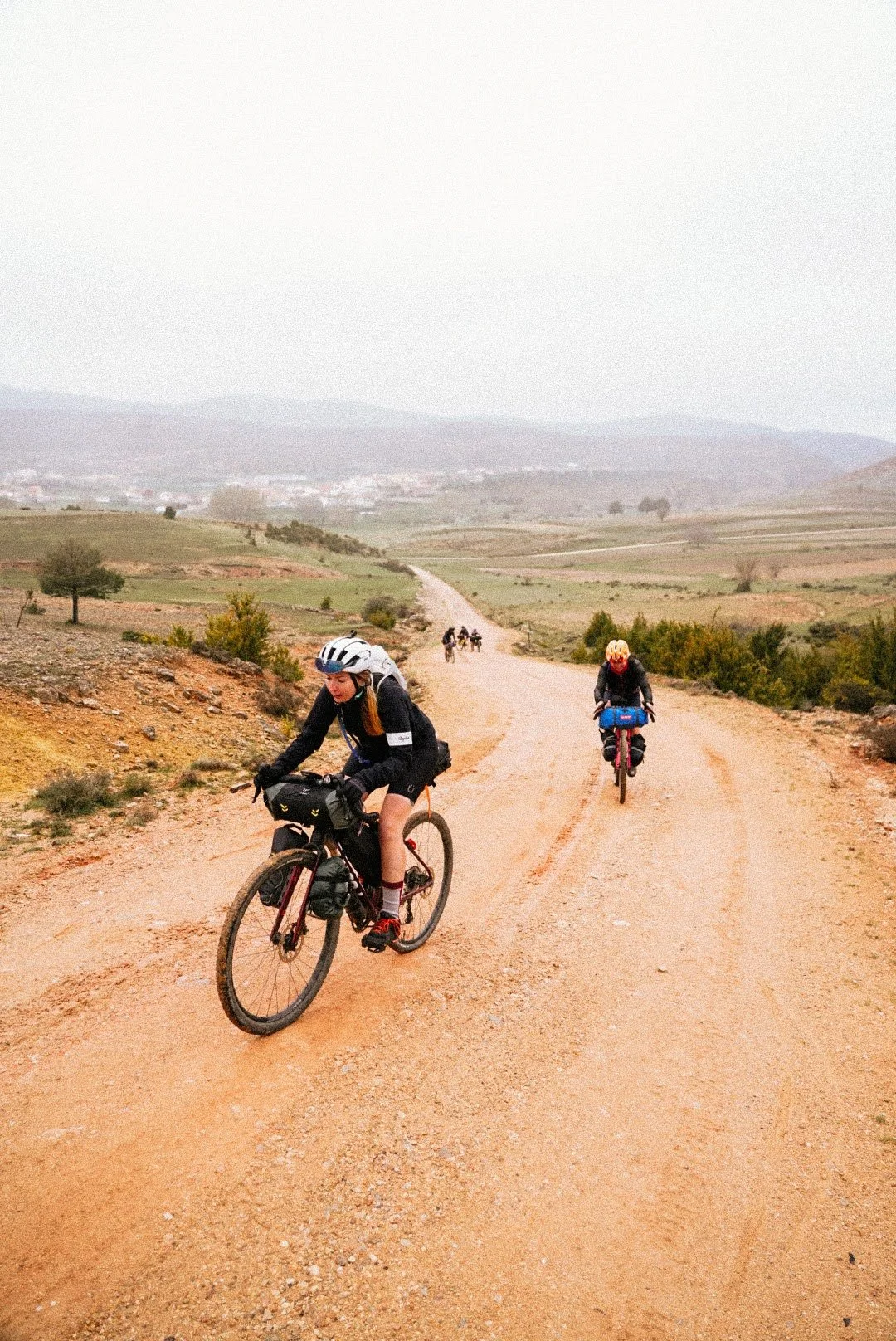
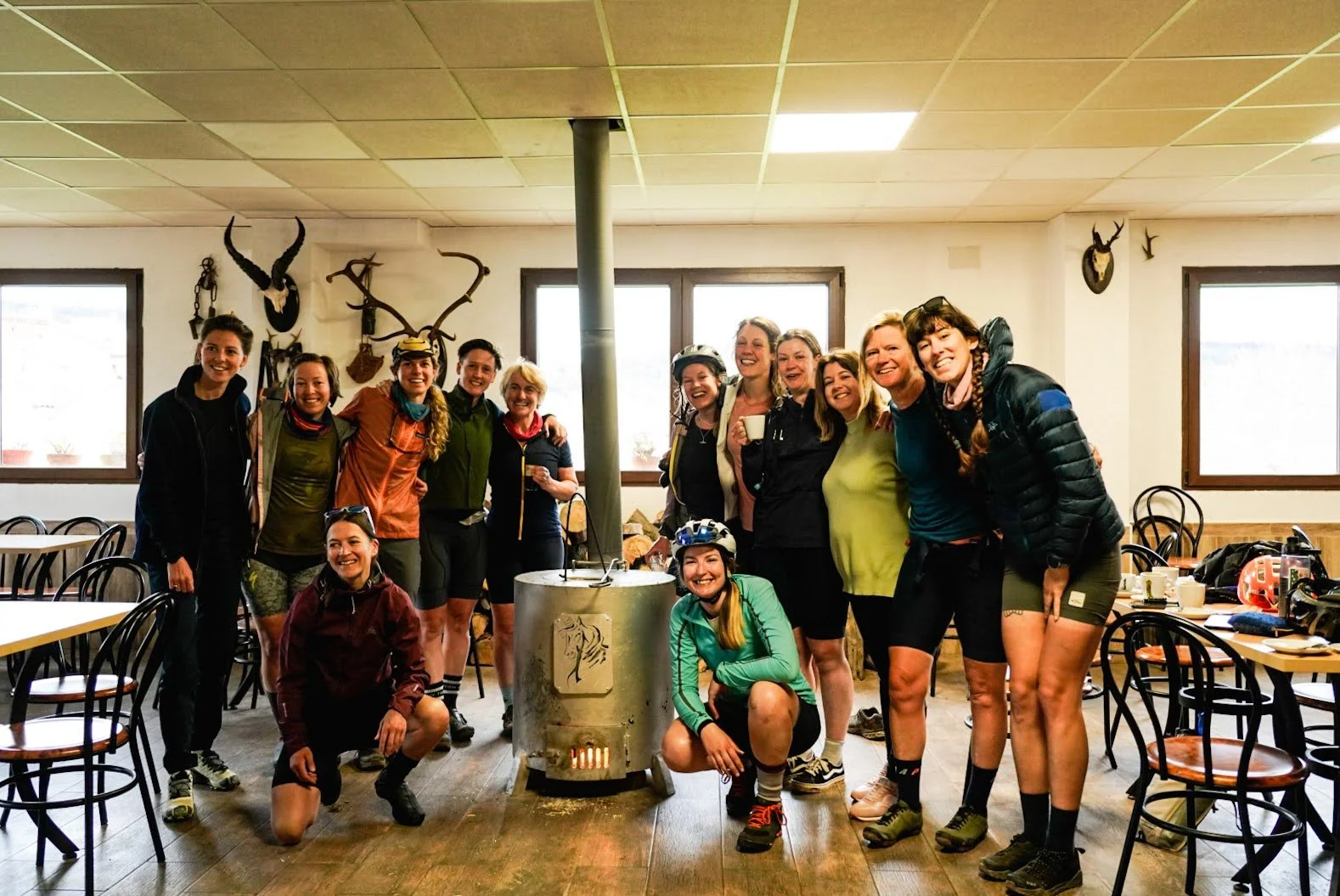
Photos from Montanas Vacias. Sami Sauri.
Then I flew to the Arizona Women's Rally knowing nobody, and not even sure I'd like riding in the desert. (I did.) Since then I've ridden the Croatia Rally and raced in the Sahara with people I first met on that rally, which is not a sentence I'd have predicted when I was faffing with my bags at that first start.
What rallies gave me wasn't fitness. It was the confidence you get from working things out alongside other people: where the next water is, how to pack so you don't have to empty everything to find your stove, and what to do when the plan falls apart at four in the afternoon. Each one made the next, wilder trip feel possible.
Why I started running them in the UK
Travelling far for a rally is brilliant and I'd recommend it to anyone who can. But I kept coming home thinking the UK is wildly underrated for this sort of riding. Not everyone can take a week off and fly to Arizona, either. You shouldn't need a passport to find out what you're capable of.
So I started the Bristol Rally: three days, non-competitive, and in 2026 a route over the Mendips, through Cheddar Gorge and out to Stonehenge around the summer solstice. It's grown from 50 riders in its first year to 100 this year, and in 2026, 73% of them were FLINTA. Half the tickets are ringfenced for FLINTA riders, because otherwise the start line tends to look like every other start line.
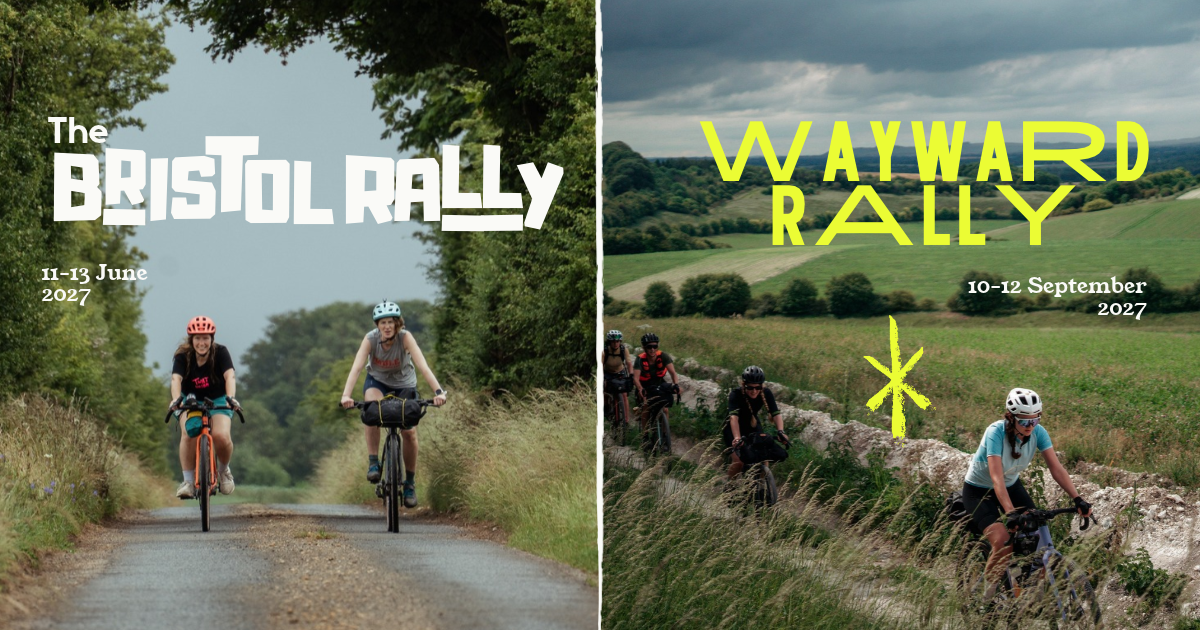
In 2027 the Bristol Rally runs 11–13 June. It's joined by the Wayward Rally, 10–13 September, a more demanding route that starts and finishes in Abergavenny and heads into Bannau Brycheiniog. If Bristol is the friendly introduction, Wayward is for when you want a bit more hill and a bit more wild.
Is a rally for you?
If you've done an overnighter, or a couple of long days back to back, you're probably closer than you think. You don't need a fancy bike or a matching set of bags. You do need to be able to sort a puncture, carry enough to look after yourself for a day, and be fine with the odd moment of not knowing exactly what happens next. That last bit is most of the fun, honestly.
If you're not there yet, start smaller. Ride a local loop with your bags on. Do one night somewhere close to home. Then come and find us on a start line. Ride it your way, stop when you want, and see who you meet.